The Working Reserve: A Conservation-Minded Store for Historic House Fabric
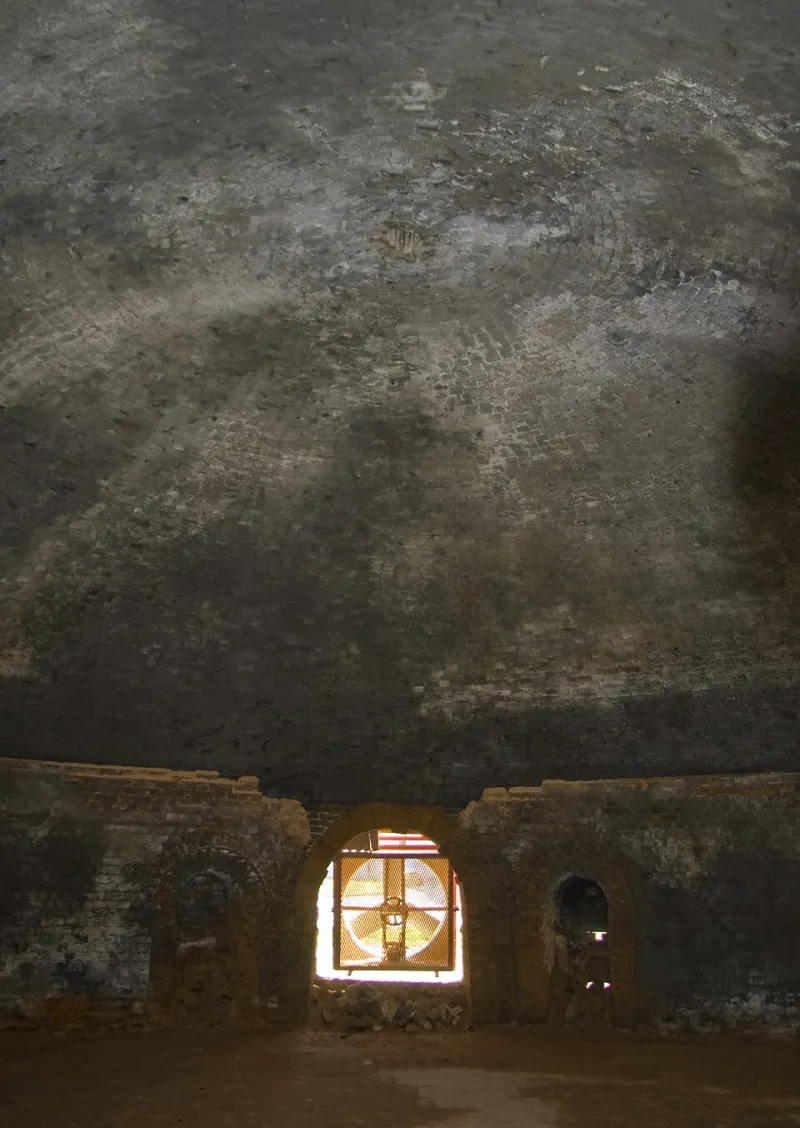
Photo: Acroterion, CC BY-SA 4.0, via Wikimedia Commons
When repair work begins in an old Wessex house, the skip often fills before anyone has asked a simple question: could this material be useful again? A sound brick, a run of clay tiles, a piece of oak or a section of leaded glass may appear humble in isolation, but together they form a working reserve. Kept with care, such fabric allows future repairs to match what is already there rather than introducing new material that may never sit comfortably beside the old.
Begin with a salvage strategy, not a skip
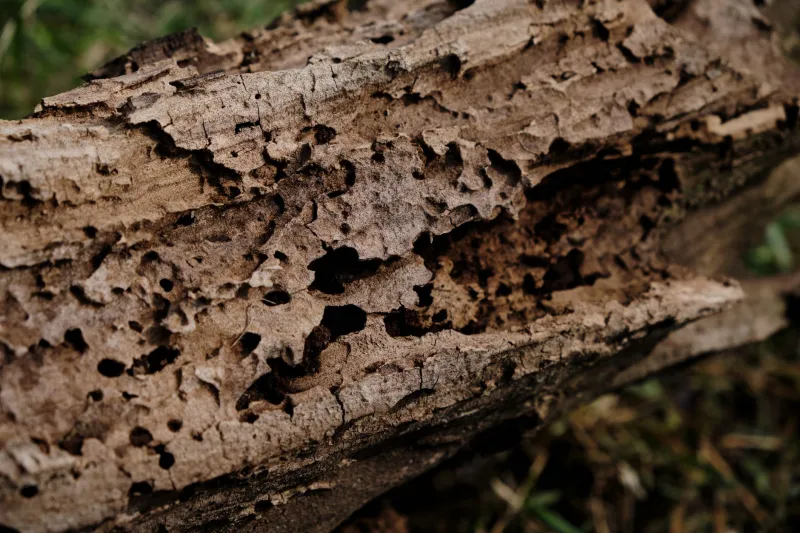
The most effective time to decide what to keep is before removal starts. A builder or specialist should be asked to set aside fabric that is sound, characteristic of the building or difficult to replace. This is not an argument for keeping every fragment. It is a matter of judgement. Material that is decayed, contaminated or structurally useless should go. Material that carries evidence of the building's construction, finish or history deserves a second look.
For listed buildings and buildings in conservation areas, early discussion with the local conservation officer is prudent. Salvage and reuse are generally viewed favourably where they preserve historic fabric and reduce the need for new production. The point is not to create a private museum, but to maintain a practical reserve that supports the building's long-term conservation.
Record before removal
A salvaged object without context is much less useful than one with a clear record. Before lifting bricks, tiles or timber, take photographs showing where they came from and how they were fixed. Note the room, elevation, course or bay. Record dimensions, material, finish and any distinguishing marks. If mortar, plaster or paint is present, note it rather than cleaning it away immediately; such traces can inform later specification.
A simple salvage ledger is sufficient. It may be a spreadsheet or a bound notebook, provided it is kept with the house papers and updated as items are used. Each entry should include a reference number, description, quantity, provenance, condition, date removed and storage location. The ledger is the difference between a useful reserve and a pile of anonymous material.
A labelling system that survives time
Labels should be durable but reversible. Tie-on tags are preferable to adhesive labels on historic surfaces, particularly on brick, stone, glass and ironwork. Use acid-free card where possible and secure tags with cotton tape or soft twine. Avoid writing directly on objects unless a conservator has advised that it is appropriate. Pencil on a hidden timber face may be acceptable in some cases; marker pen on a carved stone moulding is not.
Reference numbers should be simple and consistent. A prefix for the material and a running number, such as BR-014 for brick or GL-006 for glass, will make the ledger easier to use. Group labels can supplement individual tags where items are stored together, but they should never be the only record.
Store by material, not by convenience
The store itself should be dry, ventilated, secure and free from risk of flooding. A corner of a barn or garage may serve, but only if it is not damp. Materials kept in damp conditions can deteriorate faster than they would have done in the building. Raised pallets, shelving and covers that allow air movement are preferable to direct contact with a concrete floor.
Bricks, stone and cob
Bricks should be stacked on pallets, kept clear of the ground and protected from frost and driving rain. Stone should be stored with faces protected and edges not bearing weight. Cob is more fragile; if any is retained, it should be kept dry and supported, and advice should be taken before attempting to store it for long periods.
Roof tiles
Clay tiles are easily broken and should not be stacked flat under heavy weights. Store them upright or in shallow, well-supported layers, with broken examples kept separately for use as samples. Pantiles and plain tiles should be kept apart, and any lath or peg fragments associated with them retained with the relevant group.
Glass
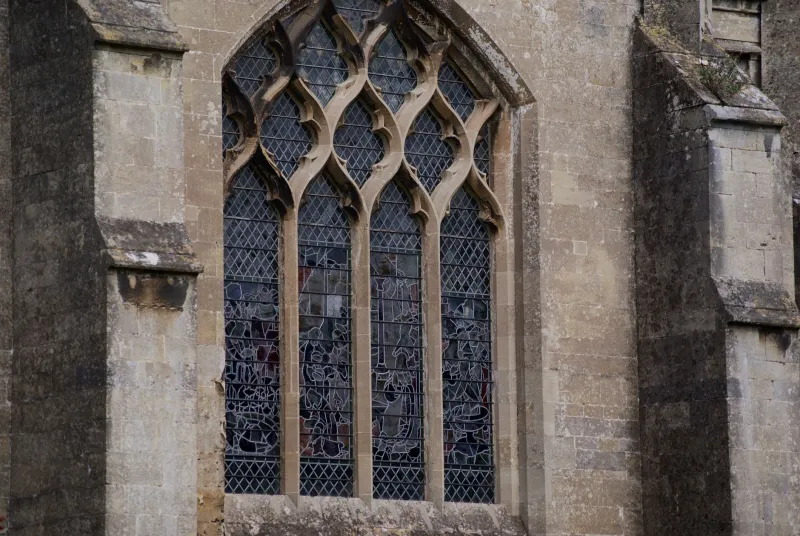
Leaded lights and stained glass require careful handling. Wrap individual panels in acid-free tissue or soft paper, store them upright and support them so that the lead does not carry the full weight. Keep a photograph with each panel and note any cracks before storage.
Timber
Timber should be racked with spacers so that air can circulate. Keep it out of direct sunlight and away from damp masonry. Offcuts of historic oak may be small, but they can be invaluable for repairs to a stair, door or frame. Label them by species, provenance and date removed where known.
Ironwork
Ironwork should be kept dry and inspected periodically for active corrosion. Avoid applying oils or coatings unless a conservator has specified them. Small items can be boxed with labelled tags, while larger pieces should be supported rather than hung by a single fixing.
The ledger should record when items are removed from store for use. In that way the reserve remains a living part of the house's maintenance rather than an accumulating burden. When the property changes hands, the store and its records should be handed over together, with a short explanation of what is held and why. That handover is itself a conservation act: it gives the next owner the means to repair rather than replace.
When not to keep
Not every removed item merits storage. Material that is unstable, hazardous or of no evident provenance may be better recorded and then responsibly disposed of. The aim is a curated reserve, not an indiscriminate collection. Judgement, record-keeping and a dry shelf are modest investments. In an old Wessex house, they are often repaid when a future repair calls for a brick, a tile or a piece of glass that matches the building exactly.