The Roost Calendar: Sequencing Roof Repairs Around Protected Bats in Old Wessex Homes
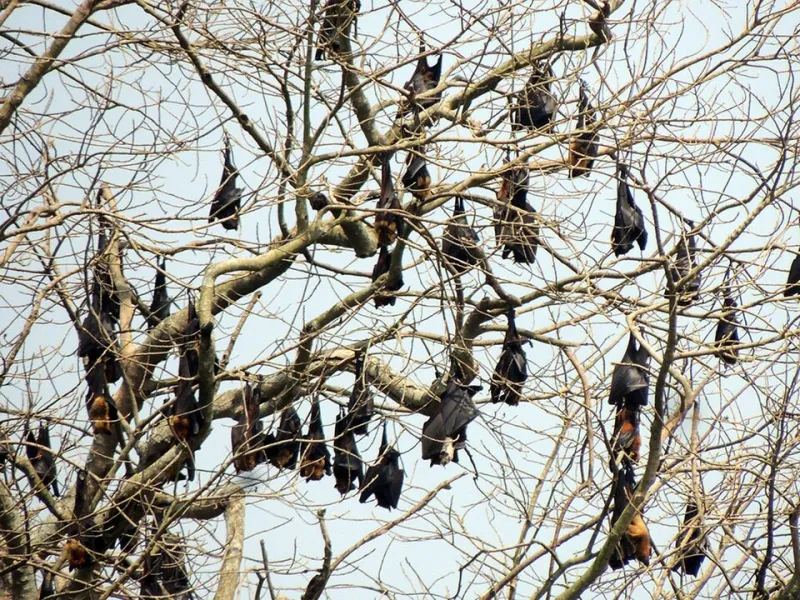
Photo: Mayeenul Islam, CC BY-SA 4.0, via Wikimedia Commons
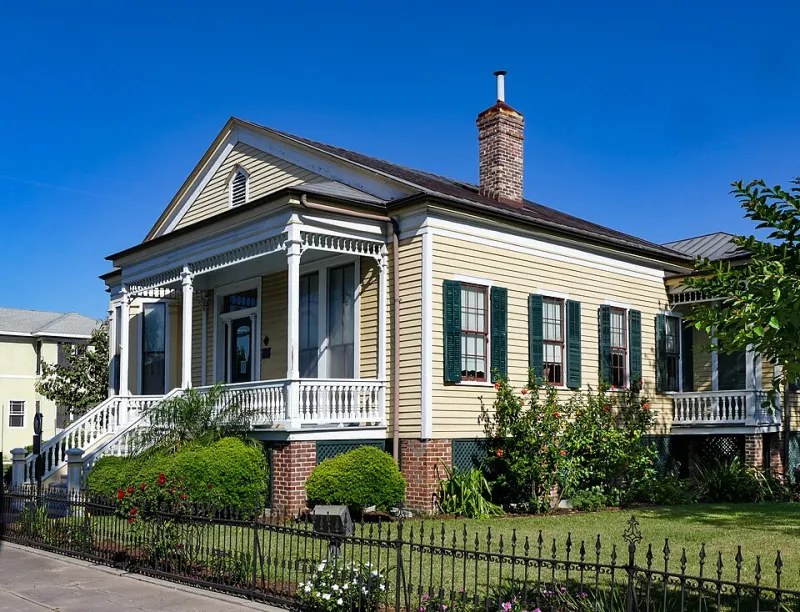
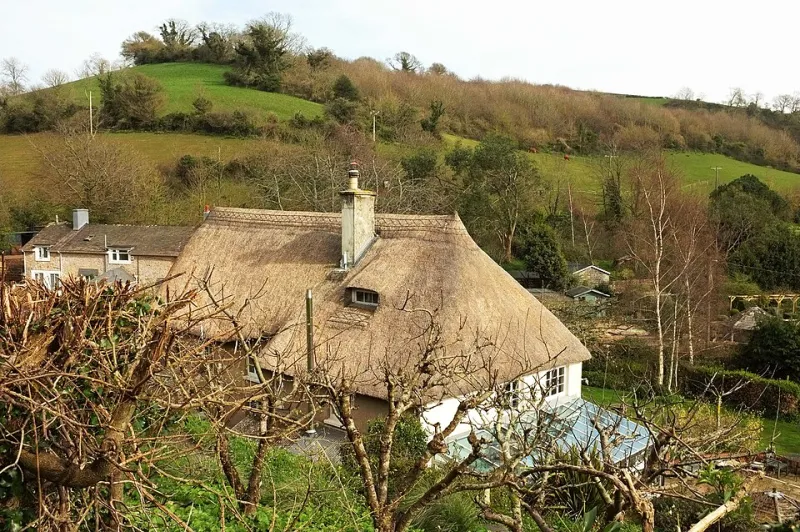
As November 2026 settles into shorter days and colder nights, many owners of old Wessex houses turn their attention to the roof. A slipped tile, a stained ceiling or a sagging eaves line is easier to inspect now that the leaves have fallen. Yet the same roof that needs attention may also be a place of shelter for bats. In historic houses across Hampshire, Wiltshire, Dorset and Somerset, the spaces between roof coverings, battens and rafters are often precisely the kind of quiet, sheltered void that bats seek out. Repairing such a roof is therefore not only a building task but a wildlife and consent question.
Why a roof repair is also a wildlife question
All species of bat in England are protected by the Wildlife and Countryside Act 1981 and by the Conservation of Habitats and Species Regulations 2017, as amended. The protection is broad. It is an offence to kill, injure or disturb a bat, to damage or destroy a roost, or to obstruct access to a place used for shelter. Importantly, a roost remains protected even when bats are not present. A roof void used in summer by a maternity colony may be empty in December, but it is still a roost in law.
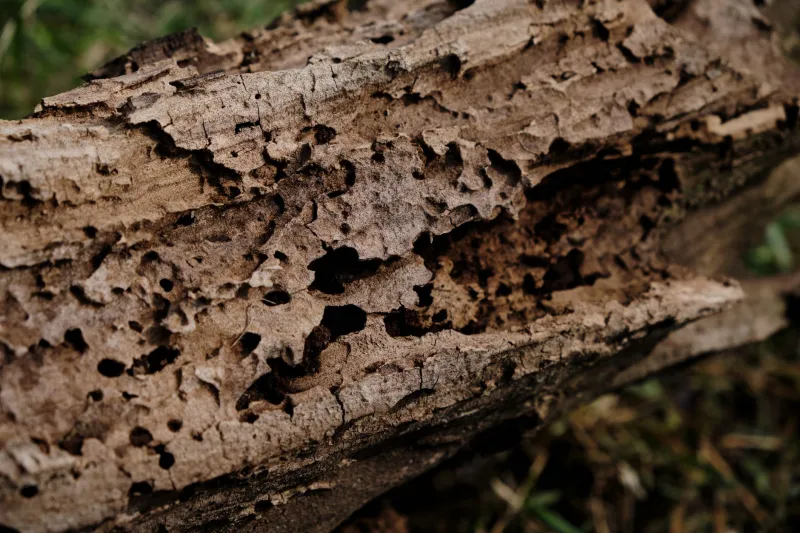
This matters because the first sign of a problem is often not a bat itself. It may be a scattering of droppings on a stored chair, a greasy mark beside a gap in the eaves, or a cluster of moth wings beneath a beam. Old roofs offer many potential access points: lifted slates, gaps behind bargeboards, loose soffits, louvred vents and the junctions between additions. A repair that seems modest to a roofer may affect one of these openings.
The legal position is not a reason for alarm. It is a reason for sequence. Most roof repairs can proceed lawfully once the right survey and, where necessary, the right licence are in place. The difficulty usually arises when works begin before the wildlife question has been asked.
What owners can record before calling an ecologist
An owner can gather useful information without handling bats or entering confined roof spaces. The aim is to build a simple record that helps an ecological consultant decide what survey is needed. Record the date and time of any sighting, the part of the building involved, and whether the bat was flying, roosting or seen only as a dropping or stain. Photographs are helpful, provided they are taken from a safe position and with a scale such as a coin or ruler.
Signs to note include small, crumbly droppings that break down into insect fragments; urine staining around entry points; grease marks from fur; and feeding remains such as butterfly or moth wings. Listen at dusk from outside the building. A series of high, rapid calls or a bat emerging from a gap is worth recording, even if the species cannot be identified. Avoid poking into crevices, using strong lights inside roosts, or sealing any gap until advice has been taken.
It is also useful to assemble the building history. Previous surveys, planning correspondence, listed building consent records and any earlier roof works can save time. If the house is listed, the local authority conservation officer may already hold useful notes. The owner's record need not be technical. A clear diary of what was seen, where and when is often more valuable than a speculative identification.
The first call: when an ecologist is needed
A licensed ecological consultant should be appointed before works that will affect roof coverings, eaves, soffits, fascias, gables, roof timbers, insulation or access into the roof void. This applies even where no bats have been seen. It also applies where a planning application or listed building consent application is being prepared, because the local planning authority may require a survey to determine the application.
Survey timing is governed by the animals' annual cycle. Emergence surveys, which watch bats leaving a roost at dusk, are generally undertaken between May and August, with some flexibility in April and September depending on weather and species. Hibernation checks may be possible in winter, but they are not a substitute for summer emergence work. November is therefore a good month for planning and for commissioning a preliminary appraisal, but it is rarely the month in which a full roost survey can be completed.
If disturbance or damage to a roost is likely, a European protected species licence from Natural England may be required. Such licences are normally prepared by a registered consultant and set out how the works will be carried out, what mitigation will be provided and how the roost will be safeguarded. A licence is separate from listed building consent or planning permission. One does not replace the other.
Building a repair timetable that respects roost seasons
Roost seasons vary by species and by building, but the broad pattern is well known. Maternity colonies are most sensitive between May and August, when young bats are dependent on the roost. Hibernation occupies roughly November to March, although mild winters can alter behaviour. Spring and autumn are transitional periods. Works are often scheduled in April, September or October under licence, but the precise window must come from the ecologist and the licence, not from a general rule.
The practical sequence is usually as follows. First, commission the survey and establish whether a licence is needed. Second, allow time for the licence application and any conditions. Third, agree the scaffold and roof access arrangements with the contractor, taking care that scaffolding does not block access points or create new hazards. Fourth, schedule roof coverings, battens and timber repairs in the permitted window. Fifth, brief every trade on site, including carpenters, electricians and scaffolders, so that a chance encounter with a bat results in work stopping and the supervisor being called.
Weather matters as much as wildlife. A roof opened for repair must be made weathertight quickly. Phasing the work, rather than stripping large areas at once, reduces the risk of rain damage and gives the ecologist more control. Temporary roost provision may be required in some cases, and it should be installed before existing access is lost.
Urgent defects: making safe without making matters worse
Storm damage, a sudden leak or a dangerous chimney cannot always wait for the ideal season. In an emergency, the priority is to prevent injury and further water ingress while avoiding actions that disturb bats or seal a roost. Contact the insurer, the local authority conservation officer where relevant, and an ecological consultant as soon as possible. Temporary sheeting or a catch tray may be appropriate, but entry points should not be blocked without advice. Chemical timber treatments should not be used in a roost area without specialist guidance.
Where a bat is found during works, work should stop in that area and advice should be sought. Bats should not be handled by unlicensed persons. A licensed ecologist can advise on the lawful next step. Good record-keeping at this stage is valuable, both for the licence process and for the building's own history.
A realistic November plan for 2026
For many owners, the most useful step this month is not to book a roofer immediately but to commission a measured roof inspection alongside a preliminary ecological appraisal. Identify the defects, photograph them and establish which parts of the roof are affected. Then ask the ecologist what survey will be needed and when it can be done. If a licence is likely, begin that conversation early. Book emergence surveys for the next suitable season and keep the repair programme flexible around the licence window.
At Wessex Restoration, roof repairs on historic houses are approached as a sequence of decisions rather than a single event. The aim is to keep the building weathertight, the fabric sound and the roost undisturbed. A roof shared with bats is not a roof that cannot be repaired. It is a roof that rewards patience, good records and a timetable built around the animals' calendar as well as the builder's.