Restraint as a Craft: Knowing When a Historic Wessex Room Is Already Finished
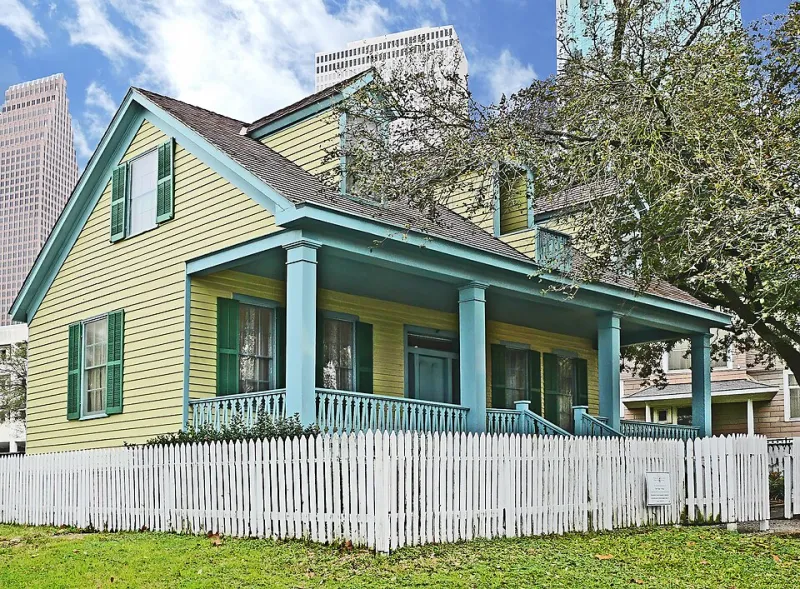
Photo: i_am_jim, CC BY-SA 3.0, via Wikimedia Commons
Historic houses are rarely improved by the desire to make every surface look new. In Wessex, where timber-framed cottages, Georgian townhouses and estate buildings often survive through centuries of small adjustments, the most sensitive course is sometimes to repair, stabilise and then stop. The unfinished room — the one with a faded plaster panel, a worn stair tread or a door that has settled into its frame — is not necessarily a room awaiting restoration. It may be a room that has already been finished by time, use and careful repair.
Decay, character and the difference
The first task is diagnostic rather than aesthetic. Active decay demands attention: rainwater entering through a failed gutter, rising damp with a measurable source, beetle activity in structural timber, cracked lintels, loose plaster at risk of falling, or joinery that no longer keeps out weather. These are conservation problems because they threaten fabric or safety.
Character is different. A floor that dips by a few millimetres, lime plaster with gentle undulation, hand-made bricks of uneven colour, or a threshold worn hollow by generations of feet are evidence of the building's life. They are not faults to be erased. The distinction is not always obvious, and it should be made by someone who can read the fabric rather than by a contractor accustomed to new-build tolerances.
Patina as an asset
Patina is the visible record of age and use. On oak, it is the darkened surface that follows decades of handling; on stone, it is the softened edge; on wallpaper or paint, it is the layered evidence of earlier schemes. Aggressive cleaning, sanding or replacement can remove that record in an afternoon. It can also remove the very surface that gives an old room its atmosphere.
Not every mark is patina. Mould, frass, salts and unstable material are signals to investigate. The judgement is whether a mark is stable evidence or active deterioration. A conservator or experienced surveyor can help make that call, and a small trial area is often wiser than a whole-room decision.
The brief that stops at the right point
Owners can do much to prevent over-restoration by writing a clear brief. State what is to be conserved, what is to be repaired, and what is to be left alone. Ask for method statements before work begins. Require photographs of concealed areas. Agree sample areas and stop points: for example, clean a test patch of paint, repair only loose plaster edges, or retain sound historic timber rather than replacing it.
The brief should also say who decides if conditions change. If opening up reveals earlier fabric, work should pause rather than proceed on the assumption that new material is better. On listed buildings, this discipline also supports the consent process, because it shows the local planning authority that change is proportionate and evidence-led.
When restoration is justified
Restraint is not neglect. Restoration may be justified where an element is structurally unsafe, where weathertightness is failing, where significant fabric has already been lost, or where a previous repair is causing harm. In those cases, the aim should be repair in kind, using compatible materials and reversible methods where possible.
The unfinished room is therefore not an excuse for inactivity. It is a prompt to ask better questions: what is failing, what is merely old, and what would be lost by making it uniform? In a historic Wessex home, the answer is often to keep more than fashion would suggest.