Cracks, Bellies and Lath: A Conservative Approach to Historic Plaster Ceilings
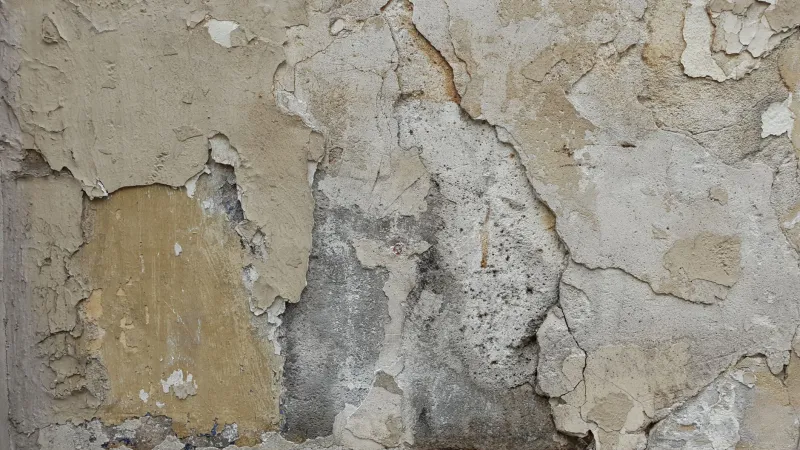
Old ceilings are often treated as background until a crack widens, a patch drops or a cornice begins to part company with the wall. In a historic Wessex house, however, a ceiling is not merely a surface to be redecorated. It is a record of timber movement, plaster application, past alterations and the gradual effects of moisture. Reading that record before reaching for filler is the difference between a conservative repair and an expensive intervention.
Begin with the pattern, not the product
A crack in an old ceiling is not automatically a defect. Lime plaster is relatively flexible and can accommodate modest movement, but it is also brittle in thin sections and tends to crack along lines of least resistance. The important question is whether the movement is old and stable or recent and progressive. Fine, hairline cracks that follow the lines of lath or joists may simply reflect the normal behaviour of a traditional ceiling. A single clean crack that has appeared since last winter, or one that has widened noticeably in a short period, deserves closer attention.
Look at the ceiling in raking light rather than direct light. A torch held almost parallel to the surface will reveal slight bellies, unevenness and the shadow lines that indicate detached plaster. Photograph the area, include a scale and note the date. In November 2026, with heating beginning to run for longer periods, previously minor cracks may become more visible as indoor conditions change. That does not prove a structural cause, but it does make a calm baseline record useful.
What the ceiling is trying to say
Several patterns are common in old Wessex properties. Cracks running in straight lines often relate to joints between plasterboard-like historic lath panels, or to the timber beneath. Cracks around the perimeter may indicate movement between ceiling and wall, particularly where a cornice has been rigidly repaired in the past. A broad, saucer-shaped depression, sometimes called a belly, usually suggests that plaster has lost its key to the laths above. In that situation the plaster may still look continuous from below while being effectively suspended by little more than paint and habit.
Fallen patches expose the construction. Traditional ceilings commonly use lime plaster applied over timber laths, sometimes with a coarse base coat and a finer finish. If the exposed laths are sound, dry and firmly fixed, a local repair may be feasible. If the laths are crumbling, blackened, wet or loose, the cause is unlikely to be decoration alone. Staining, tide marks and a musty smell point towards moisture, which may originate from roof coverings, gutters, plumbing or condensation. Repairing the plaster without addressing that source merely postpones failure.
Investigate safely before touching the surface
Ceiling work carries obvious risks, and investigation should be proportionate. Do not stand on furniture or use a domestic stepladder in a room with a fragile ceiling. If a section is visibly sagging, keep people out from beneath it until it has been assessed. A simple tactile test with a gloved hand can reveal hollow areas, but poking or pressing a bellied ceiling may cause a sudden release of material. Where there is any doubt, isolate the room and seek professional advice.
A cautious investigation might include checking the floor above for movement or water damage, inspecting the loft or roof space for leaks and examining the ceiling from the side where possible. Moisture readings, photographs and a note of recent works are more useful than guesswork. It is also worth checking whether past repairs have used gypsum plaster or modern fillers. These materials are harder and less vapour-permeable than lime, and they can trap moisture or create a rigid junction that cracks as the building moves.
Repairing lime plaster with restraint
Where plaster is sound but slightly detached, conservation practice often favours reattachment rather than replacement. This may involve careful injection of a compatible lime-based grout, followed by support while it sets. Where a local patch has failed, a lime plaster repair can be built up in coats to match the existing thickness and finish. The aim is not to create an invisible modern surface but to produce a repair that behaves similarly to the original and allows moisture to move as the building intends.
Preparation matters. Loose material should be removed back to a firm edge, but aggressive cutting away of sound historic plaster is rarely justified. The exposed laths need to be clean and secure. Backgrounds should be dampened appropriately before lime is applied, and the repair should be protected from rapid drying. Finishing coats should be kept thin and compatible with the surrounding work. On ornate ceilings, the junction between flat plaster and decorative cornice needs particular care; rigid filling at that joint can concentrate movement and cause further cracking.
Cornices, roses and decorative plaster
Decorative features are part of the ceiling's structure as well as its appearance. A cornice that has separated slightly from the wall may be responding to movement rather than failing outright. Removing it should be a last resort. Local support, careful cleaning and lime-based repair are usually preferable. Where a section is loose, temporary support and specialist advice are wiser than attempting to re-fix it with an inflexible adhesive. Historic decorative plaster often contains fine modelling that is easily lost through abrasive cleaning or heavy-handed filling.
When to call a structural specialist
The decision to escalate should be based on evidence, not anxiety. Call in a structural specialist or conservation-accredited professional if a ceiling is visibly sagging across a significant area, if cracks are widening, if doors or windows above have begun to stick, if there is a history of repeated failure in the same place, or if water is actively entering. A ceiling that sounds hollow across a wide span, or one where laths can be seen to have pulled away, also warrants expert assessment. These signs may indicate timber movement, overload, rot or another issue that plaster repair alone cannot resolve.
A conservative approach is not an excuse for delay. It is a method: observe, record, address causes and repair with materials that respect the building. Handled in that order, an old ceiling can often be retained rather than replaced, preserving both its fabric and the quiet evidence of the craftsmen who formed it.